
Navigating the SIUPAL License in Indonesia: Your Essential Guide for Shipping Businesses

marcell
November 19, 2025
14 min read
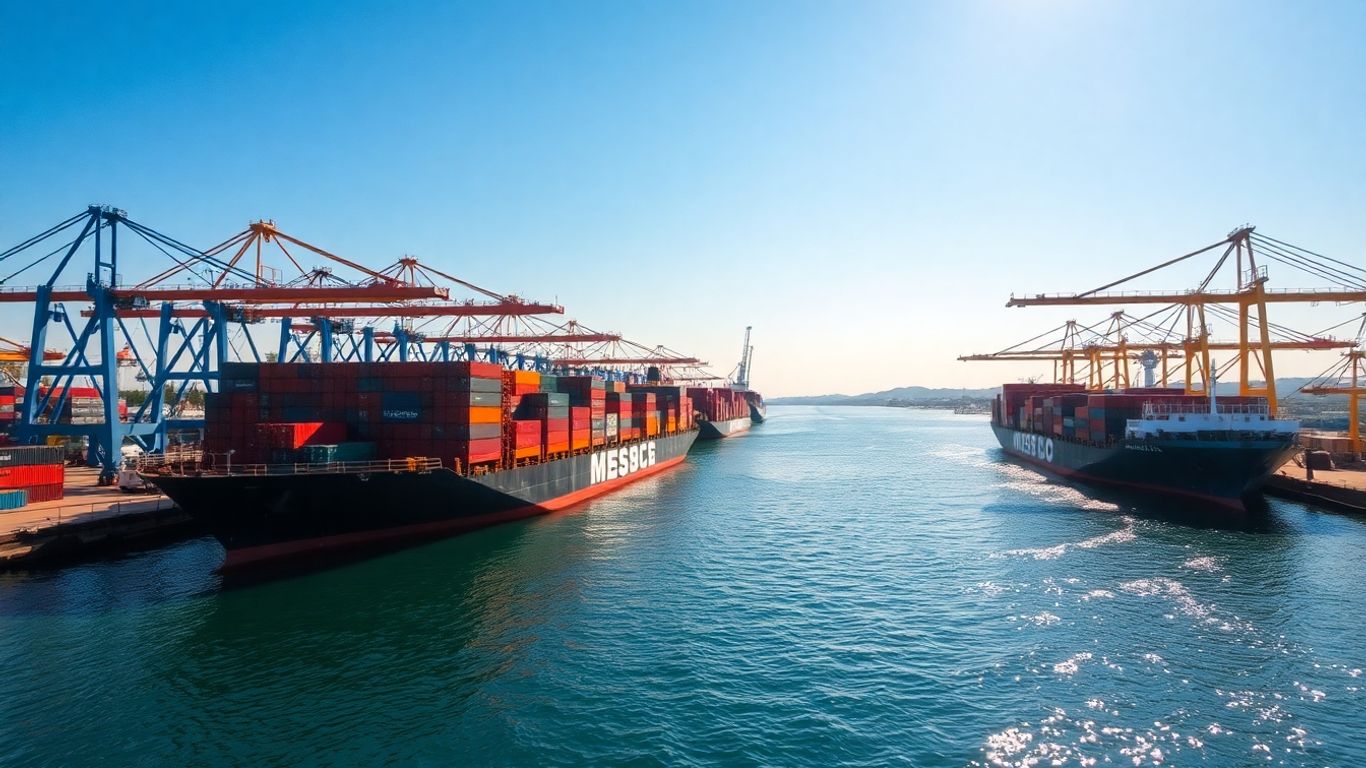
So, you’re thinking about starting a shipping business in Indonesia. It’s a big country, lots of islands, and shipping is pretty important here. But, like most things, there are rules. One of the main things you’ll run into is something called the SIUPAL license. It’s basically permission to run your shipping company legally. Getting this license, and understanding all the other bits and pieces, can feel like a maze. This guide is here to help you sort it all out, so you don’t end up pulling your hair out.
Key Takeaways
- You need a SIUPAL license to legally operate a shipping business in Indonesia. It’s a requirement from the Ministry of Transportation.
- Before applying for SIUPAL, you must get a Business Identification Number (NIB) through the Online Single Submission (OSS) system. This NIB is like your company’s main ID.
- Your company needs to own at least one Indonesian-flagged vessel. For local companies, it’s a minimum of 175 GT, but for foreign joint ventures, the requirement is much higher (50,000 GT starting late 2025).
- Indonesia sticks to the cabotage principle, meaning only ships flying the Indonesian flag can carry goods or passengers between Indonesian ports. Breaking this rule can lead to serious penalties.
- If you’re a foreign investor, you generally need to form a joint venture with an Indonesian company that already has a SIUPAL. The Indonesian partner must own at least 51% of the shares.
Understanding the SIUPAL License Indonesia
Purpose of the SIUPAL License
So, what exactly is this SIUPAL thing? Basically, it’s the official stamp of approval you need if you want to run a shipping business in Indonesia. Think of it as your business’s passport to operate legally in the country’s waters. Without it, you’re pretty much stuck on shore. It’s issued by the Ministry of Transportation and confirms that your company meets the government’s standards for sea transportation operations. This license is a non-negotiable requirement for any entity looking to engage in commercial shipping activities within Indonesian territory. It covers a range of operations, from carrying cargo to transporting passengers, and ensures that businesses adhere to national maritime regulations.
Evolution of the SIUPAL Requirement
Things change, right? The way businesses get licensed in Indonesia has been shifting, and the SIUPAL is no exception. Not too long ago, you’d deal with specific regulations like MOT Regulation No 89 of 2018. But Indonesia has moved towards a system that looks at the risk involved in different business activities. This means the old SIUPAL has been updated, or rather, replaced by something called a ‘Standard Certificate’ under newer regulations, like MOT Regulation No 12 of 2021, with later amendments. The goal here is to make getting your business license a bit simpler and more streamlined. It’s a move towards a more modern, integrated approach to business licensing.
Key Issuing Authority
When it comes to getting your SIUPAL, or its modern equivalent, the Standard Certificate, there’s one main government body you’ll be dealing with: the Ministry of Transportation. Specifically, it’s often the Directorate General of Sea Transportation within the ministry that handles the nuts and bolts of the application and issuance process. They are the gatekeepers, making sure that companies meet all the necessary criteria before they can legally operate their shipping services. It’s important to know who’s in charge so you can direct your applications and inquiries to the right place.
Essential Requirements for SIUPAL Eligibility
So, you want to get a SIUPAL, huh? It’s not just about filling out a form; there are some pretty specific things you need to have in order before they even look at your application. Think of it like getting ready for a big trip – you wouldn’t just show up at the airport without a passport, right? Same idea here.
Vessel Ownership Standards
First off, who actually owns the ship matters. If you’re a local Indonesian company, you generally need to own at least one vessel flagged in Indonesia. For foreign companies looking to partner up, the rules get a bit more involved, especially with the recent changes. It’s all about making sure Indonesian interests are well-represented.
Indonesian Flagged Vessel Mandate
This is a big one. For your business to be eligible, the vessels you operate must be registered under the Indonesian flag. This isn’t just a suggestion; it’s a requirement. It shows your commitment to operating within Indonesia’s maritime framework and adhering to its laws.
Minimum Tonnage Specifications
There are also minimum size requirements for the vessels. These aren’t just random numbers; they often relate to the type of shipping activity you’ll be doing. For instance, a local company might need a vessel of at least 175 GT, while a joint venture might have a much higher threshold, especially as we move closer to the end of 2025.
| Company Type | Minimum GT Requirement | Effective Date |
|---|---|---|
| Locally-Owned Company | 175 GT | Immediate |
| Foreign Joint Venture | 50,000 GT | October 28, 2025 |
It’s important to keep an eye on these tonnage rules because they can change, and meeting them is non-negotiable for getting your SIUPAL approved. Don’t get caught out by outdated information.
Getting these vessel requirements sorted is a major step. It proves you’re serious about operating a legitimate shipping business in Indonesia and are ready to play by the rules.
Navigating the SIUPAL Application Process
So, you’ve got your business sorted and you’re ready to get your shipping company rolling in Indonesia. The next big hurdle is the actual application for your business license, which used to be the SIUPAL. Things have shifted a bit with the new risk-based system, so what you’re actually applying for now is a Standard Certificate, but people still often refer to it by its old name. It’s not just a simple form you fill out and send off; there are a few key steps to get through.
First off, before you can even think about the shipping license itself, you absolutely need to get your Business Identification Number, or NIB. This is your company’s main ID for pretty much everything in Indonesia, and you get it through the Online Single Submission (OSS) system. Think of it as the foundational document for your business. Without it, you’re not really in the game.
Once you have your NIB, you can then submit the application for your Standard Certificate (the modern SIUPAL). This involves providing details about your business and, importantly, your vessels. You’ll need to show that your ships meet all the required standards. This isn’t just about having a boat; it’s about proving it’s seaworthy and compliant with Indonesian regulations.
Here’s a breakdown of what you’ll generally need to have ready:
- Business Identification Number (NIB): Your company’s primary registration.
- Company Deed of Establishment: The legal document showing your company is properly formed.
- Proof of Vessel Ownership: Documentation proving you own or have rights to the vessels you’ll operate.
- Vessel Certifications: This is a big one. Each vessel needs its own set of papers.
Speaking of vessel certifications, this is where things can get detailed. You can’t just say you have a ship; you need official proof it’s good to go. This includes things like:
- General Vessel Certificate: Confirms the ship meets safety and tonnage rules.
- Ship Radio Station Certificate: For your communication equipment.
- Pollution Prevention Certificate: Shows you’re not going to mess up the environment.
The process has been streamlined with the OSS system, but it still requires careful attention to detail. Missing a document or having incorrect information can lead to delays, and in the shipping world, time is money. Make sure you’re organized and have all your paperwork in order before you start.
It’s a bit of a checklist, really. Get the NIB, then apply for the main license, and make sure every single ship in your fleet has all its required certifications. It might seem like a lot, but getting it right means you can operate legally and avoid a whole heap of trouble down the line.
Adhering to Cabotage Principles
So, what’s this whole ‘cabotage’ thing all about in Indonesia? Basically, it’s a rule that says only ships flying the Indonesian flag can move goods between ports within Indonesia. Think of it like a "locals only" policy for domestic shipping. This is a big deal for an island nation like Indonesia, where getting stuff from one island to another relies heavily on boats.
Domestic Waters Restrictions
This means if you’re running a shipping business and want to carry cargo from, say, Jakarta to Surabaya, you absolutely need an Indonesian-flagged vessel. Foreign ships can come into Indonesian waters, drop off international cargo, or pick up international cargo, but they can’t just hop between Indonesian ports with local goods. It’s all about giving Indonesian shipping companies a fair shot and building up the local maritime industry.
Consequences of Non-Compliance
What happens if you ignore this? Well, it’s not pretty. You could face some hefty fines, and your ship might even get impounded. The authorities take this rule pretty seriously because it’s tied to national economic interests. It’s not just a suggestion; it’s a law designed to protect the domestic shipping sector.
Foreign Vessel Limitations
Now, does this mean foreign shipping companies are completely shut out? Not exactly. They can still operate in Indonesia, but they have to play by the rules. If a foreign company wants to do domestic shipping, they usually have to set up a local business entity, like a PT PMA, and use Indonesian-flagged ships. There are also specific situations, like certain oil and gas projects, where a foreign vessel might get a temporary permit, a "cabotage waiver," but only if no Indonesian ships are available for that specific job. It’s a carefully managed exception, not a loophole.
Foreign Investment and SIUPAL
So, you’re looking to bring some foreign capital into your Indonesian shipping venture? That’s where things get a bit more involved, especially when it comes to that SIUPAL license. Indonesia likes to keep its maritime waters pretty local, so if you’re not Indonesian, you can’t just waltz in and start operating.
Joint Venture Requirements
Basically, if you’re a foreign investor wanting to get into the Indonesian shipping game, you’re going to need a local partner. It’s not really an option; it’s a requirement. You’ll have to team up with an Indonesian company that already has its SIUPAL sorted. Think of it as a partnership where the local expertise and existing license are key.
Local Partner Shareholding
Now, about that partnership – it’s not a 50/50 split. The Indonesian partner needs to hold at least 51% of the shares in this joint venture. This ensures that the majority control stays within Indonesia, which is a big deal for their maritime regulations. It’s a way to bring in foreign money and know-how without giving up control of the operations within their waters.
Establishing a PT PMA
If you’re a foreign entity, you’ll likely be setting up a PT PMA, which is essentially a foreign-owned limited liability company in Indonesia. This is the legal structure you’ll use to form your joint venture. You’ll need to go through the official incorporation process, which involves getting all your documents in order, registering with the authorities, and making sure you meet the capital requirements. It’s a formal process, but it’s the standard way to do business here as a foreigner.
Remember, the rules around foreign ownership and joint ventures can change. It’s always a good idea to check the latest regulations or talk to a legal expert who specializes in Indonesian business law before you make any big moves. Things like shareholding percentages and specific business activity definitions can be quite detailed.
Here’s a quick rundown of what you’ll generally need to consider:
- Form a Joint Venture: Partner with an Indonesian company that holds a SIUPAL.
- Majority Ownership: Ensure your Indonesian partner owns at least 51% of the shares.
- Legal Entity: Establish a PT PMA (foreign investment company) for your stake.
- Business Registration: Complete the necessary steps for company incorporation and obtain your NIB.
- SIUPAL Application: The joint venture entity will then apply for its own SIUPAL.
Additional Licenses and Certifications

General Vessel Certificate
Beyond the main SIUPAL, which is now often referred to as a Standard Certificate under the new risk-based system, your shipping company will need to secure a General Vessel Certificate. This document basically confirms that your ship meets all the required safety and tonnage standards set by Indonesian authorities. Think of it as a stamp of approval for the vessel itself.
Pollution Prevention Certificate
Operating a ship means you’re responsible for its environmental impact. That’s why a Pollution Prevention Certificate is a must. This certificate shows that your vessel complies with regulations designed to prevent pollution, whether it’s from oil, air emissions, or sewage. It’s a pretty big deal for keeping Indonesia’s waters clean.
Ship Radio Station Certificate
Communication is key out at sea, right? If your vessel uses radio frequencies for communication, you’ll need a Ship Radio Station Certificate. This license, issued by the Ministry of Communication and Information Technology, basically says your ship’s radio equipment is properly licensed and operating according to regulations. It’s all about making sure your communication systems are legal and functional.
Getting these extra certificates might seem like a hassle, but they’re really there to make sure everything runs smoothly and safely. Each one covers a different aspect of your operation, from the ship’s physical condition to its environmental footprint and communication capabilities. It’s all part of the bigger picture of responsible maritime business in Indonesia.
Here’s a quick rundown of what these certificates generally cover:
- General Vessel Certificate: Confirms compliance with safety and tonnage rules.
- Pollution Prevention Certificate: Ensures adherence to environmental protection standards.
- Ship Radio Station Certificate: Authorizes the vessel’s communication equipment.
Need to make sure your business has all the right papers and approvals? We can help you get the necessary licenses and certifications to operate smoothly. Don’t let paperwork slow you down. Visit our website today to learn how we can support your business goals!
Wrapping It Up
So, getting a shipping business off the ground in Indonesia, especially with that SIUPAL license, is definitely a process. It’s not exactly a walk in the park, and there are quite a few hoops to jump through, from getting your company set up right to making sure your vessels meet all the rules. But, with the right planning and by paying close attention to all the regulations, like the cabotage principle, it’s totally doable. The market is growing, and if you can handle the paperwork and requirements, there’s good potential here. Just remember to stay on top of the rules and maybe get some help if things get too confusing.
Frequently Asked Questions
What is the main purpose of the SIUPAL license?
The SIUPAL license is like a special permission slip that lets companies legally run shipping businesses in Indonesia. Without it, you can’t operate ships for carrying goods or people.
Do I need a SIUPAL if my company is foreign-owned?
Yes, even if your company is foreign-owned, you’ll need to follow specific rules. Usually, this means forming a partnership with an Indonesian company and meeting certain requirements for vessel ownership and size.
What are the rules about owning ships for the SIUPAL license?
To get a SIUPAL, your company generally needs to own at least one ship that is registered in Indonesia (flying the Indonesian flag). There are also minimum size requirements for the ship, depending on whether your company is local or a foreign joint venture.
What does the ‘cabotage principle’ mean for shipping companies?
The cabotage principle is a rule that says only ships flying the Indonesian flag can carry goods or passengers between different places within Indonesia. It’s designed to protect and boost the local shipping industry.
Besides the SIUPAL, what other certificates might my ships need?
Your ships will likely need other important papers. These include a General Vessel Certificate to prove it’s safe and meets size rules, a Pollution Prevention Certificate to show it’s eco-friendly, and a Ship Radio Station Certificate for communication.
Has the SIUPAL license process changed recently?
Yes, Indonesia has updated its rules. The SIUPAL is now often referred to as a ‘Standard Certificate’ under a new system that tries to make getting licenses simpler by looking at the risks involved in the business.
