
Essential Property Due Diligence in Labuan Bajo: Navigating Legal Pitfalls

marcell
December 10, 2025
17 min read

Thinking about buying property in Labuan Bajo? It’s a great spot, but like anywhere, there are things you need to look out for. Getting property due diligence labuan bajo right means understanding the local rules and making sure everything is on the up and up. We’ll break down what you need to know so you can make a smart move.
Key Takeaways
- Understand how land ownership works in Labuan Bajo, especially the difference between freehold and leasehold titles, and any rules for foreigners.
- Always check all the paperwork, like title deeds and certificates. A notary’s role is pretty important here.
- Do your homework on the land itself – check its size, what it’s zoned for, and if there are any past issues or claims on it.
- Be smart about sales. Avoid feeling rushed, use safe ways to pay, and always go see the property yourself.
- Get help from people who know the area and the law, like good real estate agents and lawyers who specialize in Indonesian property.
Understanding Land Ownership in Labuan Bajo
When you’re looking at property in Labuan Bajo, the first thing you’ll bump into is understanding how land ownership actually works here. It’s not always as straightforward as you might think, especially if you’re coming from a different legal system. The main types you’ll encounter are freehold and leasehold, and knowing the difference is pretty important.
Freehold Versus Leasehold Properties
Think of freehold land, or "hak milik" as it’s called in Indonesian, as the top-tier ownership. It means you own the land outright, forever. You can build on it, sell it, pass it down to your kids – it’s yours, no strings attached, as long as you follow the rules, of course. Many properties available for sale in Labuan Bajo are freehold, which is a big draw for investors.
Leasehold, on the other hand, is like renting the land for a long time. You get to use it for a set number of years, maybe 20, 30, or even longer, but it’s not truly yours. When the lease is up, you usually have to negotiate an extension, and there might be fees or new terms involved. It’s generally less expensive upfront than freehold, but it comes with that time limit and the uncertainty of renewal.
Foreigner Ownership Restrictions and Options
This is a big one for anyone not from Indonesia. Foreign individuals and companies generally cannot directly own "hak milik" (freehold) land. It’s a bit of a hurdle, but there are ways around it. Often, foreigners partner with an Indonesian citizen or an Indonesian legal entity to hold the title. This partnership needs to be structured carefully and legally sound to protect everyone’s interests. Another common route is through a long-term lease, which can offer many of the benefits of ownership without the direct title.
The Significance of Hak Milik Titles
"Hak Milik" is the gold standard for land ownership in Indonesia. It signifies complete and perpetual ownership. Having a "hak milik" title means you have the most control over your property. It’s generally seen as a more secure long-term investment because there’s no expiry date. When looking at properties, always ask about the title. A "hak milik" title is usually what people are aiming for, but understanding the nuances of leasehold and the legal structures for foreign ownership is just as important.
Understanding the different land titles and ownership structures is the very first step in any property transaction in Labuan Bajo. Skipping this can lead to a whole lot of headaches down the line, so take your time and get it right from the start.
Navigating Legal Documentation for Property Acquisition
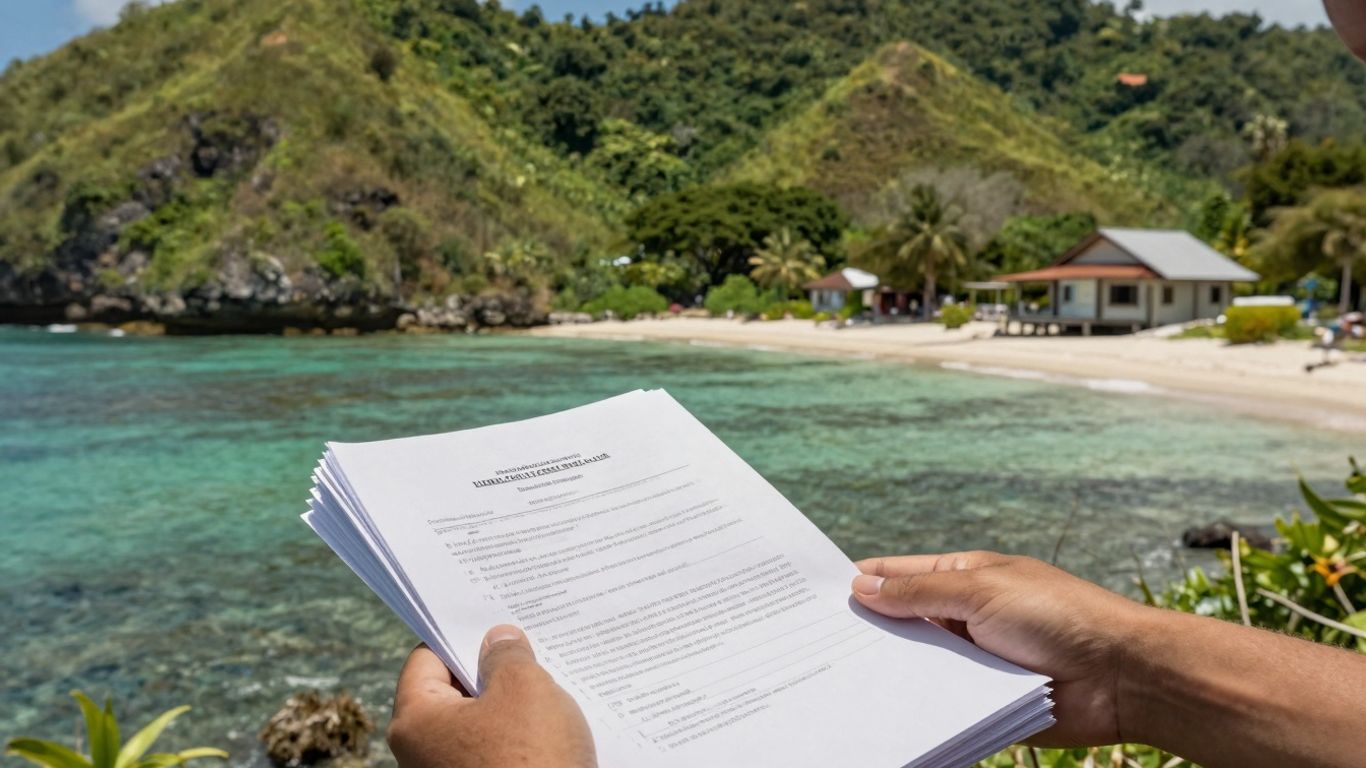
Alright, so you’ve found a place in Labuan Bajo that catches your eye. That’s exciting! But before you start dreaming about beachfront sunsets from your new balcony, we need to talk about the paperwork. This is where things can get a bit tricky, and honestly, it’s not always straightforward. Getting the legal documents right is super important, and skipping steps here can lead to some serious headaches down the road.
Verifying Title Deeds and Land Certificates
First things first, you absolutely need to check the official paperwork for the land. This means looking at the "Sertifikat Hak Milik" (Certificate of Ownership) or other relevant title deeds. You want to make sure the person selling the property actually has the legal right to sell it. It sounds obvious, but sometimes titles can be unclear, or there might be multiple claims on the same piece of land. It’s your responsibility to confirm the title is clean and legitimate. You’ll want to see the original certificate and cross-reference it with information held by the local land registry office (Kantor Pertanahan). This isn’t something you can just glance at; it requires careful checking.
The Role of a Certified Notary (PPAT)
In Indonesia, property transactions have to be done through a "Pejabat Pembuat Akta Tanah" or PPAT. Think of them as a certified notary public who specializes in land matters. They are government-appointed officials who prepare and legalize the official documents for property transfers. You can’t just sign a bill of sale between yourselves and call it done. The PPAT will draft the Sale and Purchase Deed (Akta Jual Beli – AJB) and ensure all the legal requirements are met. They’re basically the gatekeepers of legal property transfers here. It’s wise to choose a PPAT yourself, rather than just accepting whoever the seller suggests. This way, you know they’re working for you.
Scrutinizing Lease Agreements and Contracts
If you’re looking at a leasehold property, which is common for foreigners, the lease agreement is your bible. You need to read every single clause very, very carefully. What’s the duration of the lease? What are the terms for renewal? Are there any restrictions on what you can do with the property? What happens if you want to sell it before the lease is up? These agreements can be complex, and they often contain legal jargon that’s hard to understand.
It’s really easy to get caught up in the excitement of buying property, especially in a beautiful place like Labuan Bajo. But when it comes to the contracts and agreements, you have to put on your serious hat. Don’t be afraid to ask questions, even if they seem silly. A good contract protects both parties, but you need to make sure it protects your interests specifically.
Here’s a quick checklist for lease agreements:
- Lease Term: How many years is the lease valid for?
- Renewal Options: Are there clear terms for extending the lease, and at what cost?
- Rent/Payment Schedule: When and how are payments due?
- Restrictions: Are there limitations on subletting, renovations, or business activities?
- Termination Clauses: Under what conditions can the lease be ended by either party?
- Transferability: Can you sell your remaining lease term to someone else?
Conducting Comprehensive Property Due Diligence
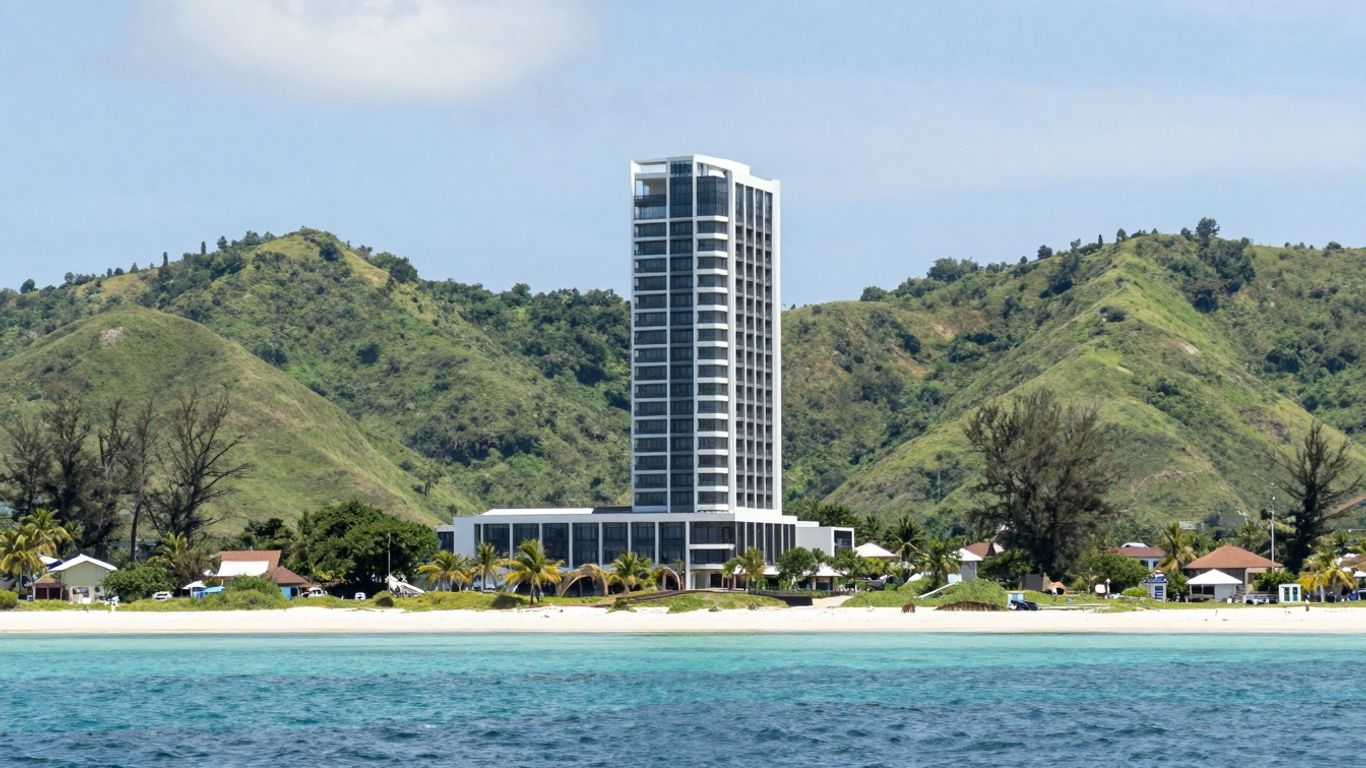
Before you even think about signing anything or handing over money, you absolutely have to do your homework. This isn’t just a quick look-see; it’s about digging deep to make sure the property you’re interested in is exactly what it seems to be, and that there aren’t any hidden problems lurking around the corner. Getting this part wrong can lead to some serious headaches down the road.
Confirming Land Measurement and Topography
First off, you need to be sure about the actual size of the land. Sometimes, what’s advertised isn’t quite what you get on the ground. It’s a good idea to get an independent surveyor to check the boundaries and the exact dimensions. This also ties into the land’s shape and how it sits – is it on a steep slope that might cause building issues, or is it flat and easy to work with? Understanding the topography is key for any future development plans.
Assessing Zoning and Intended Land Use
Labuan Bajo is growing fast, and different areas are designated for specific purposes. You can’t just build a resort in a residential zone, or vice versa. You’ll need to check the local zoning regulations to confirm that the land is approved for the type of use you have in mind. This information is usually available through the local planning department. Making sure the land’s zoning matches your plans from the start saves a lot of trouble later.
Investigating Transaction History and Encumbrances
Every property has a past, and you need to know it. This means looking into who has owned the property before and for how long. More importantly, you need to find out if there are any existing claims, debts, or legal disputes attached to the land. These are called encumbrances, and they can seriously complicate or even prevent a sale. A clear transaction history, free from any liens or mortgages, is what you’re aiming for. It’s wise to have a legal professional help you sift through these records to make sure everything is clean.
Mitigating Risks in Labuan Bajo Real Estate
Buying property in Labuan Bajo, like anywhere else, comes with its own set of potential headaches. It’s not just about finding a place you like; it’s about making sure the deal is solid and won’t come back to bite you later. A lot of folks get caught out by trying to rush things or not looking closely enough at the paperwork. Taking your time and doing your homework is the absolute best way to avoid trouble.
Avoiding High-Pressure Sales Tactics
Sometimes, you’ll encounter sellers or agents who push you to make a decision right now. They might say a deal is about to expire or that someone else is very interested. This is a classic tactic to get you to skip important checks. Don’t fall for it. A legitimate sale won’t disappear overnight. If someone is pressuring you, it’s a big red flag. Step back, take a breath, and remember that you’re in control of your money. It’s always better to walk away from a deal that feels off than to end up with a property that has hidden problems.
Ensuring Secure Payment Channels
When it comes to paying for property, stick to official and traceable methods. Using bank transfers through reputable institutions is key. This creates a clear record of your transaction, which is super important if any disputes pop up later. Avoid cash payments, especially for large sums, as they offer little proof of payment. Always get a receipt, and make sure the payment details match the agreed-upon terms in your contract. It might seem like a small detail, but having a clear financial trail can save you a lot of grief down the line.
The Importance of On-Site Inspections
Pictures and descriptions can only tell you so much. You absolutely need to see the property for yourself. Go there, walk around, and check everything. Look for signs of damage, poor construction, or anything that doesn’t seem right. If you’re not familiar with construction, bring someone who is. It’s also a good idea to check out the neighborhood at different times of the day to get a feel for the area. This hands-on approach helps you spot issues that might not be obvious otherwise and confirms that the property actually exists and is in the condition described.
Don’t underestimate the value of a physical visit. It’s your chance to connect with the property on a real level, beyond the glossy brochures and online listings. You can check the actual boundaries, see the condition of the building materials, and even get a sense of the local environment. This direct experience is invaluable for making an informed decision and avoiding surprises after you’ve signed on the dotted line.
Leveraging Expert Guidance for Secure Transactions
Buying property in Labuan Bajo, especially if you’re not from here, can feel like trying to solve a puzzle with missing pieces. That’s where getting help from people who know the local scene really makes a difference. It’s not just about finding a nice spot; it’s about making sure the deal is solid and won’t come back to bite you later.
Engaging Reputable Real Estate Agents
Think of a good real estate agent as your local guide. They know the neighborhoods, what’s a fair price, and importantly, they can often spot deals that aren’t quite right. A trustworthy agent has a network and a reputation to uphold, so they’re usually motivated to keep things honest. They can help you find properties that match what you’re looking for and might even have access to listings before they hit the general market. Plus, they can help you understand the initial steps and paperwork involved.
Consulting Legal Experts in Indonesian Property Law
This is a big one. Indonesian property law has its own set of rules, and they can be tricky. A lawyer who specializes in this area is your best bet for making sure everything is above board. They can look over all the documents, check the title deeds, and make sure there are no hidden claims or issues with the property’s history. They’ll also explain what your ownership rights actually are, especially if you’re a foreigner. Getting a lawyer to review everything before you sign or pay anything is probably the most important step you can take.
Understanding Community and Cultural Factors
Labuan Bajo isn’t just land and buildings; it’s a community. Sometimes, local customs or relationships can play a role in property dealings. An agent or lawyer with deep local ties can offer insights into these aspects. They might know about upcoming developments that could affect property values or understand local perspectives on land use that aren’t written down anywhere. This kind of local knowledge can prevent misunderstandings and help you integrate better if you plan to spend time there.
Here’s a quick rundown of why professional help is so valuable:
- Verification: Agents and lawyers can confirm the seller’s right to sell and the property’s legal status.
- Negotiation: They can help you negotiate terms and prices fairly.
- Compliance: They ensure the transaction follows all Indonesian laws and regulations.
- Risk Reduction: They help you avoid common scams and legal pitfalls.
Don’t rush into any property deal. Take your time, ask questions, and always get professional advice. It might cost a bit upfront, but it can save you a fortune and a lot of headaches down the road. Think of it as an investment in peace of mind.
Essential Permits and Compliance
So, you’ve found the perfect spot in Labuan Bajo, maybe for a villa or a small business. Great! But before you start dreaming about construction or opening day, there are some official hoops to jump through. It’s not the most exciting part, I know, but skipping it can lead to some serious headaches down the road. Think of it like getting your passport before a big trip – necessary for smooth sailing.
Obtaining Building Permits (PBG)
This is your official green light to build. Without a Building Permit (Izin Mendirikan Bangunan, or IMB, which is now often referred to as Persetujuan Bangunan Gedung or PBG), any construction you do could be deemed illegal. That means potential fines, or worse, being forced to tear it down. The process usually involves submitting plans to the local authorities. They’ll check if your proposed building fits with the area’s development plans and safety standards. It can take some time, so patience is key here. You’ll need detailed architectural drawings and site plans.
Securing Business Licenses
If you’re planning to operate a business, whether it’s a guesthouse, a restaurant, or a dive shop, you’ll need the right business licenses. This is separate from building permits. The specific licenses depend on the type of business. For instance, a hotel will need different permits than a small cafe. Generally, you’ll need a Business Identification Number (Nomor Induk Berusaha, or NIB), which is often obtained through an online system. This process confirms your business is legitimate and allowed to operate in Labuan Bajo. It’s a good idea to get advice on this, as the requirements can be a bit complex, especially for foreign investors. You can find more information on business registration through the Online Single Submission (OSS) system.
Adhering to Environmental Regulations
Labuan Bajo is a gateway to incredible natural beauty, including the famous Komodo National Park. Because of this, environmental rules are taken pretty seriously. Any development needs to consider its impact on the local ecosystem. This might involve waste management plans, water usage assessments, or ensuring your construction doesn’t disrupt natural habitats. For tourism-related businesses, understanding regulations related to protected areas is also important. For those planning a trip to Komodo National Park in 2026, it’s essential to be aware of the updated entry permit rules and the daily visitor limits. These regulations are in place to manage tourism within the park. It’s all about balancing growth with preservation.
Getting these permits and licenses isn’t just about following rules; it’s about protecting your investment and contributing positively to the local community and environment. It shows you’re serious about operating responsibly in this beautiful part of the world.
Getting the right paperwork and following the rules can seem tricky, but it’s super important for your business. We make sure you have all the necessary permits and understand the rules so you can operate smoothly. Want to learn more about what you need? Visit our website for a complete guide!
Wrapping Up Your Labuan Bajo Property Journey
So, you’re thinking about buying property in Labuan Bajo. It’s a beautiful spot, no doubt about it. But like anywhere, especially when dealing with land and ownership, things can get a bit tricky. We’ve talked about how important it is to really dig into the details before you hand over any money. Checking ownership, understanding the paperwork, and knowing exactly what you’re getting into – that’s the name of the game. Don’t be afraid to ask questions and get professionals, like lawyers or trusted agents, on your side. They’ve seen it all before and can help steer you clear of common problems. Taking these steps might seem like a lot of work, but it’s the best way to make sure your investment in Labuan Bajo is a good one, and you can actually enjoy that piece of paradise without a bunch of headaches down the road.
Frequently Asked Questions
Can foreigners buy land in Labuan Bajo?
Foreigners usually can’t own land directly in Indonesia. They often use leasehold agreements for a set number of years, or they can set up a company here to own the property. It’s important to talk to a legal expert to understand the best way for you.
What’s the difference between freehold and leasehold property?
Freehold means you own the land forever, like owning your own house outright. Leasehold means you rent the land for a specific period, like 25 or 30 years, and then you might be able to renew it. Freehold is like owning it forever, while leasehold is like a long-term rental.
What documents do I need to check before buying property?
You’ll need to check the official land title (like a certificate) to make sure it’s real and belongs to the seller. Also, look at any building permits and check the property’s history to make sure there are no hidden problems or debts.
Why is it important to have a notary involved?
A notary, called a PPAT in Indonesia, is a legal official who makes sure the property sale is done correctly and legally. They help prepare and register the official documents, making the transfer of ownership official and safe.
What are some common risks when buying property in Labuan Bajo?
Some risks include fake documents, sellers pressuring you to buy quickly, or the land not being used for what you want (like building a hotel). It’s also risky if you don’t check the property’s history or if the seller isn’t the real owner. Always do your homework!
How can I make sure my property purchase is safe?
The best way is to do thorough research, called due diligence. Hire a good lawyer who knows Indonesian property law, use a trusted real estate agent, and always see the property yourself. Never rush into a deal, and make sure all payments are done through official bank channels.
