
Navigating Yacht Charter Permits in Indonesia: A Comprehensive Guide for 2025

marcell
December 3, 2025
17 min read
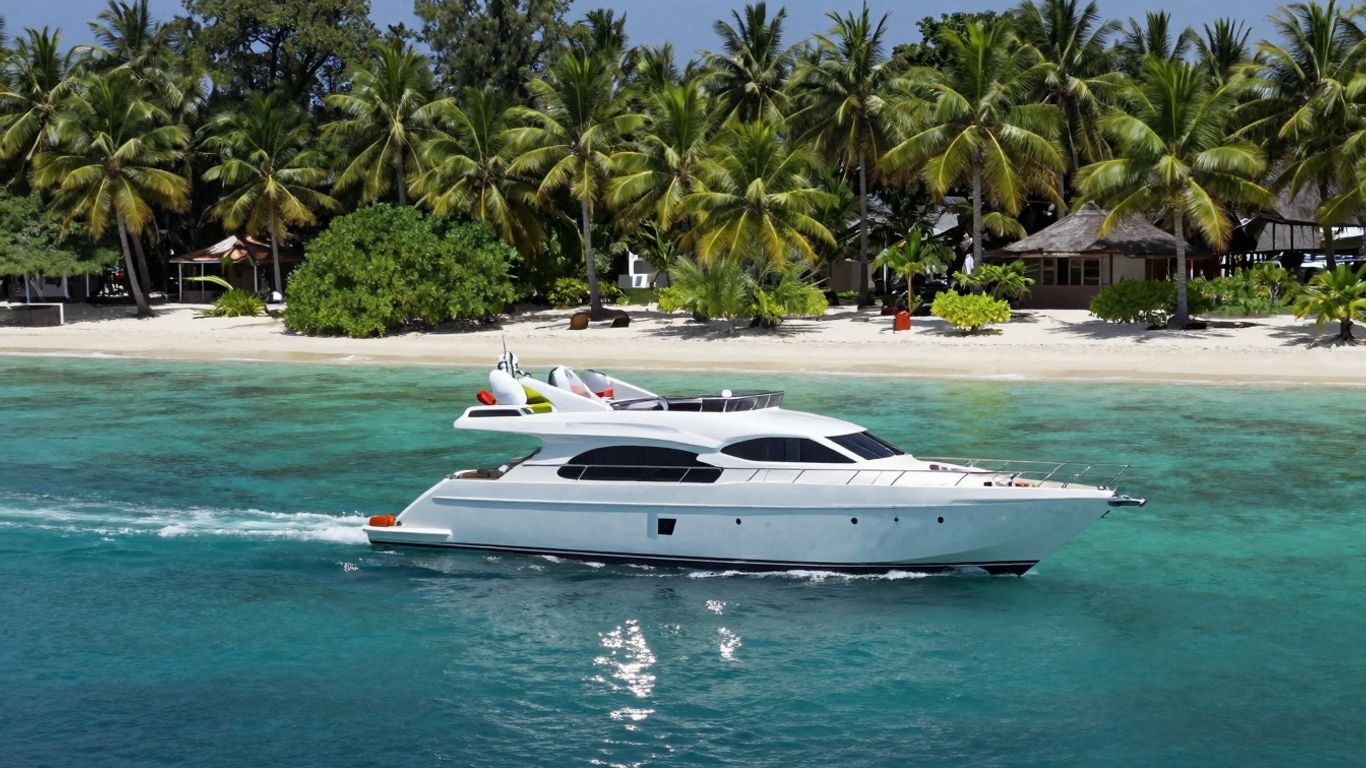
So, you’re thinking about chartering a yacht in Indonesia for 2025? That’s awesome. It’s a pretty amazing place with tons of islands and clear water. But, like anything involving boats and international travel, there are some rules you gotta follow. Getting the right paperwork sorted for yacht charter permits in Indonesia isn’t exactly a walk in the park, but it’s super important to make sure your trip goes off without a hitch. We’re going to break down what you need to know so you can just relax and enjoy the sunshine.
Key Takeaways
- Make sure your yacht has all the right commercial operator permits and passes vessel inspections before you even think about chartering.
- If you’re bringing your yacht from overseas, you’ll need to sort out specific registration for international chartering in Indonesia.
- Crew members need proper certifications to show they know what they’re doing, and you need plans for emergencies.
- Having solid insurance is a must to cover you for any unexpected issues or accidents that might happen.
- Booking your charter well in advance is a good idea, especially if you want to make sure you get the yacht permits Indonesia requires without any last-minute stress.
Understanding Yacht Charter Permits Indonesia
Getting a yacht charter in Indonesia sorted out involves a few key steps, and it’s not quite as simple as just picking a boat and going. You’ve got to make sure everything’s above board, legally speaking. This means understanding the permits and paperwork is a big deal before you even think about setting sail. It’s all about making sure your trip is smooth and doesn’t hit any unexpected snags with local authorities.
The Importance of Proper Licensing and Certification
Think of licensing and certification as the golden tickets for your Indonesian yacht adventure. Without the right ones, you could face delays, fines, or even have your charter cut short. It’s not just about following rules; it’s about safety too. Properly licensed vessels and certified crews mean a higher standard of operation, which is good for everyone involved. This applies whether you’re chartering a small vessel for a few days or a superyacht for a month-long exploration.
Navigating Vessel Documentation Requirements
Every yacht needs a stack of documents to be legally allowed to operate for charter in Indonesian waters. This includes things like the vessel’s registration, proof of ownership, and insurance papers. For commercial charters, there are usually specific certificates of operation that need to be current. It can get a bit detailed, so having a good charter broker who knows these requirements inside and out is super helpful. They can help make sure your chosen yacht has all its paperwork in order.
Adhering to Indonesian Maritime Regulations
Indonesia has its own set of rules for maritime activities, and yacht charters are no exception. These regulations cover everything from where you can anchor to environmental protection rules in sensitive marine areas. It’s important to be aware of these, especially if you’re planning to visit protected zones like Raja Ampat or Komodo National Park. Your captain and crew will be well-versed in these, but it’s good for charterers to have a general idea too. Basically, it’s about respecting the local environment and laws.
Being prepared with all the necessary permits and documentation upfront saves a lot of headaches down the line. It allows you to focus on enjoying the incredible beauty of Indonesia rather than worrying about administrative issues.
Essential Documentation for Charter Operations
Alright, so you’re looking to run a charter operation in Indonesia. That’s awesome! But before you start dreaming about crystal-clear waters and happy guests, we need to talk about the paperwork. It might not be the most exciting part, but getting your documentation sorted is super important. Think of it as your ticket to operating legally and smoothly.
Commercial Operator Permits and Vessel Inspections
First things first, if you’re planning to charter out your yacht, you’ll likely need a commercial operator permit. This isn’t just a suggestion; it’s a legal requirement. This permit basically says you’re authorized to run a business using your vessel. Along with that, your yacht will need to pass regular safety inspections. These checks make sure everything from the life rafts to the fire extinguishers is up to snuff. It’s all about making sure the boat is safe for everyone on board.
- Obtain a Commercial Operator Permit: This is your official go-ahead to charter.
- Schedule Regular Vessel Inspections: Keep your safety gear and the boat itself in top condition.
- Maintain Inspection Records: Keep copies of all inspection reports and certifications handy.
Registration for International Chartering
If you’re thinking about bringing your yacht into Indonesian waters for charter, or perhaps operating between countries, you’ll need to consider international registration. Registering your vessel in a recognized maritime registry can make things a lot easier when crossing borders. It gives your yacht a nationality and helps authorities understand its legal standing. Different flags can come with different rules and benefits, so it’s worth looking into which one suits your operation best.
Choosing the right flag and registration is more than just a formality; it can impact your operational costs, insurance, and how easily you can move between different maritime jurisdictions. Do your homework here.
Understanding Documentation Endorsements
Beyond the main permits, there are often specific endorsements you might need. These are like add-ons to your main documentation that allow you to do certain things. For example, if you plan to charter within specific Indonesian waters, there might be local endorsements required. It’s a bit like needing a special permit for certain types of fishing – it clarifies what you’re allowed to do. Always check with the relevant Indonesian maritime authorities to see if any specific endorsements apply to your charter plans. Getting these details right upfront can save you a lot of headaches down the line.
Crew and Passenger Safety Protocols
Ensuring Competent Crew Skills and Certifications
When you’re looking at chartering a yacht in Indonesia, the crew is your first line of defense for a safe and enjoyable trip. It’s not just about having people on board; it’s about having the right people. This means checking their qualifications. For any charter operation, especially in Indonesian waters, the crew needs to have the proper certifications. Think STCW (Standards of Training, Certification and Watchkeeping for Seafarers) as a baseline. The captain and officers should have advanced navigation and safety training, and the deckhands and engineers should be up to speed on their roles. It’s also good to know if they’ve had specific training for the types of waters you’ll be exploring. Some areas might require more specialized knowledge.
Implementing Emergency Preparedness Measures
Accidents happen, even on the calmest seas. That’s why having a solid plan for emergencies is non-negotiable. Your yacht needs to be fully stocked with all the necessary safety gear. We’re talking life jackets for everyone, flares, first-aid kits, fire extinguishers, and communication devices that actually work. But gear is only half the battle. The crew needs to know how to use it, and they need to practice. Regular drills are a must. This isn’t just for show; it’s to make sure that if something goes wrong, everyone knows their role and can react quickly and effectively. A well-rehearsed emergency plan can make all the difference when seconds count.
Passenger Well-being and Indemnity
Your guests are there to relax and have a good time, so their comfort and safety are paramount. This starts with not overcrowding the yacht. There should be a clear limit on how many people can be on board, based on the vessel’s design and safety equipment. Before you even set sail, make sure all passengers are briefed on basic safety procedures. Where are the life jackets? What do you do in case of a fire? It sounds basic, but a quick rundown can prevent panic later. Also, it’s wise to have clear indemnity clauses in your charter agreement. This protects both you and the charterer by outlining responsibilities and what happens in various scenarios. It’s about setting clear expectations from the start.
Keeping passengers informed and comfortable isn’t just good service; it’s a key part of risk management. When guests feel secure and know what to expect, they’re less likely to be anxious or put themselves in risky situations. This proactive approach helps maintain a positive atmosphere onboard and reduces the chances of minor incidents escalating.
Insurance and Liability Management
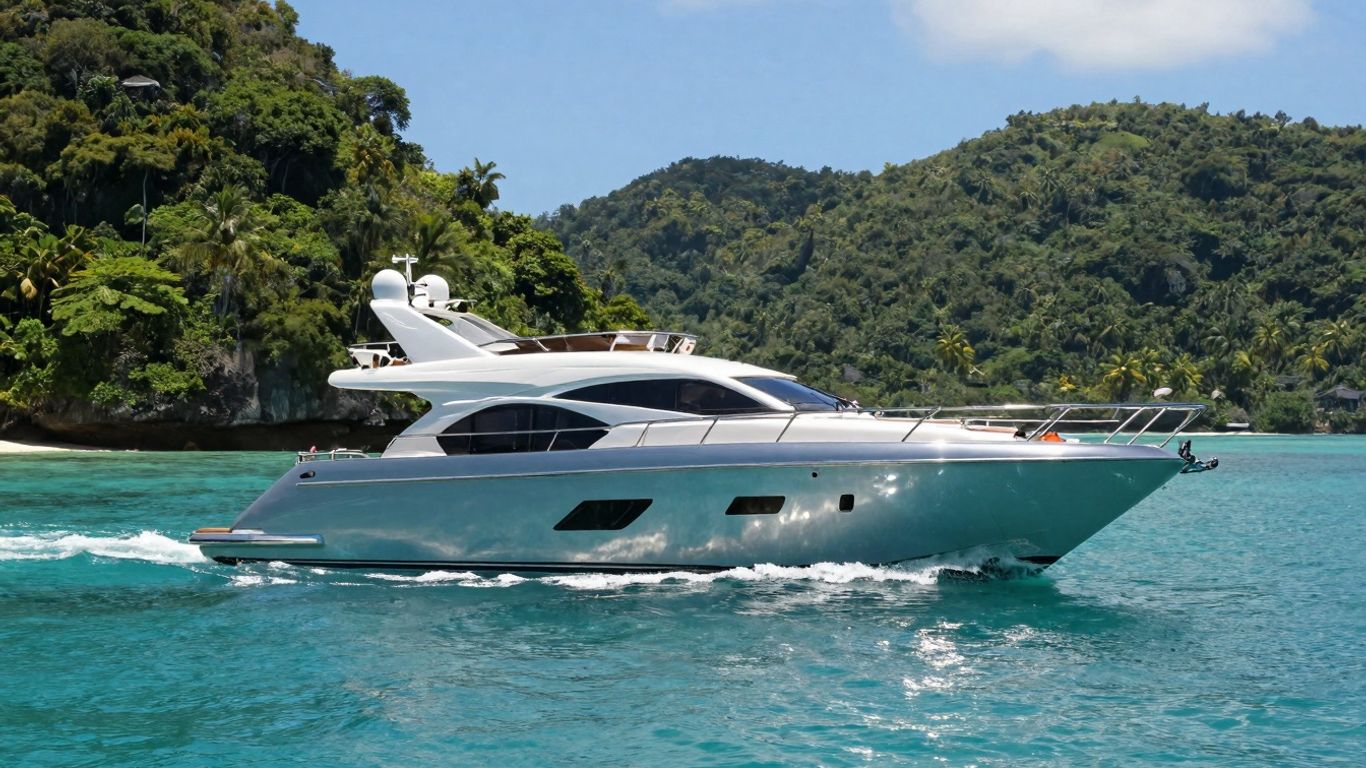
When you’re running a yacht charter business in Indonesia, thinking about insurance and who’s responsible if something goes wrong is a big deal. It’s not just about following rules; it’s about protecting your investment and making sure everyone on board is safe and sound. Having the right insurance coverage is non-negotiable for any serious charter operation.
Securing Comprehensive Legal Coverage
Think of insurance as your safety net. You’ll want policies that cover a bunch of potential problems. This includes damage to the yacht itself (hull insurance), accidents involving people on other boats or property (public liability), injuries to your crew, and any claims passengers might have (passenger indemnity).
Here’s a quick look at what you should consider:
- Hull Insurance: Covers damage to your yacht from things like collisions, grounding, or storms.
- Protection & Indemnity (P&I) Insurance: This is broad coverage that typically includes third-party liability, crew injury, and passenger injury or illness.
- War Risk Insurance: Important if you’re operating in areas with potential political instability.
- Workers’ Compensation: For your crew, especially if local labor laws require it.
Proactive Risk Management Strategies
Insurance is great, but preventing problems in the first place is even better. This means taking a good, hard look at what could go wrong and putting steps in place to stop it. Regular maintenance of your yacht is key here. If all your safety equipment is up-to-date and working, and your crew knows what to do in an emergency, you’re already ahead of the game. It also helps keep your insurance costs down.
Some practical steps include:
- Regular Safety Drills: Practice emergency procedures with your crew so they’re second nature.
- Vessel Maintenance Schedule: Stick to a strict schedule for checking and servicing all onboard systems, from engines to navigation equipment.
- Crew Training: Make sure your crew has the right qualifications and ongoing training for their roles.
- Passenger Briefings: Clearly explain safety rules and emergency procedures to passengers at the start of each trip.
Mitigating Maritime Emergencies and Accidents
Even with the best planning, accidents can happen. Having a solid plan for how to handle emergencies is vital. This involves having the right equipment on hand and making sure your crew is trained to use it effectively. It’s also about having clear communication channels and knowing who to contact if you need help.
Being prepared for the worst-case scenario isn’t about expecting disaster; it’s about demonstrating responsibility and professionalism. It ensures that in the unlikely event of an incident, the response is swift, effective, and minimizes harm to people and property.
Planning Your Indonesian Yacht Charter Journey
So, you’re thinking about a yacht trip in Indonesia? Awesome choice! It’s a pretty amazing place with so many islands to explore. But before you start dreaming of those turquoise waters, a little planning goes a long way. It’s not just about picking a boat; it’s about making sure the whole trip runs smoothly from start to finish.
Selecting the Ideal Yacht and Professional Crew
This is where the magic really begins. Think about what kind of vibe you’re going for. Are you after a sleek, modern motor yacht, or maybe a more classic sailing vessel? And who’s going to be looking after you? The crew is super important. They’re not just there to sail the boat; they’re your chefs, your guides, and your hosts. A good crew knows the best hidden spots and can make your trip truly special. It’s worth spending time with your charter broker to find a yacht and crew that fit your group perfectly. They can help you sort through the options, looking at things like the number of cabins, the water toys available, and the crew’s experience. Getting this right sets the stage for an incredible adventure.
Crafting Bespoke Itineraries for Indonesian Waters
Indonesia is huge, seriously, thousands of islands! So, you can’t see it all in one go. That’s where your itinerary comes in. Do you want to focus on diving in Raja Ampat, exploring the Komodo dragons, or maybe finding some quiet, untouched beaches? Your charter broker can help you map out a route that hits all your must-sees. They know the best times to visit certain areas and can tailor the trip to your interests, whether that’s food, adventure, or just pure relaxation. Remember, the best cruising conditions are usually during the dry season, from April to October, so keep that in mind when planning your dates. You can find more details about the ideal period for a luxury yacht charter in Indonesia here.
Advance Booking for Optimal Yacht Charter Permits Indonesia
Here’s a bit of a reality check: the best yachts and the most sought-after crews get booked up fast, especially during peak times. We’re talking months, sometimes even a year, in advance. So, if you have specific dates or a particular yacht in mind, start looking early. This gives you more choices and also allows plenty of time to sort out all the necessary permits and paperwork we talked about earlier. It means less stress for you later on and a better chance of getting exactly what you want for your trip.
Planning ahead isn’t just about securing your spot; it’s about giving yourself the peace of mind that all the details are handled. This allows you to truly relax and anticipate the amazing experiences that await you in Indonesia.
Key Considerations for a Seamless Charter
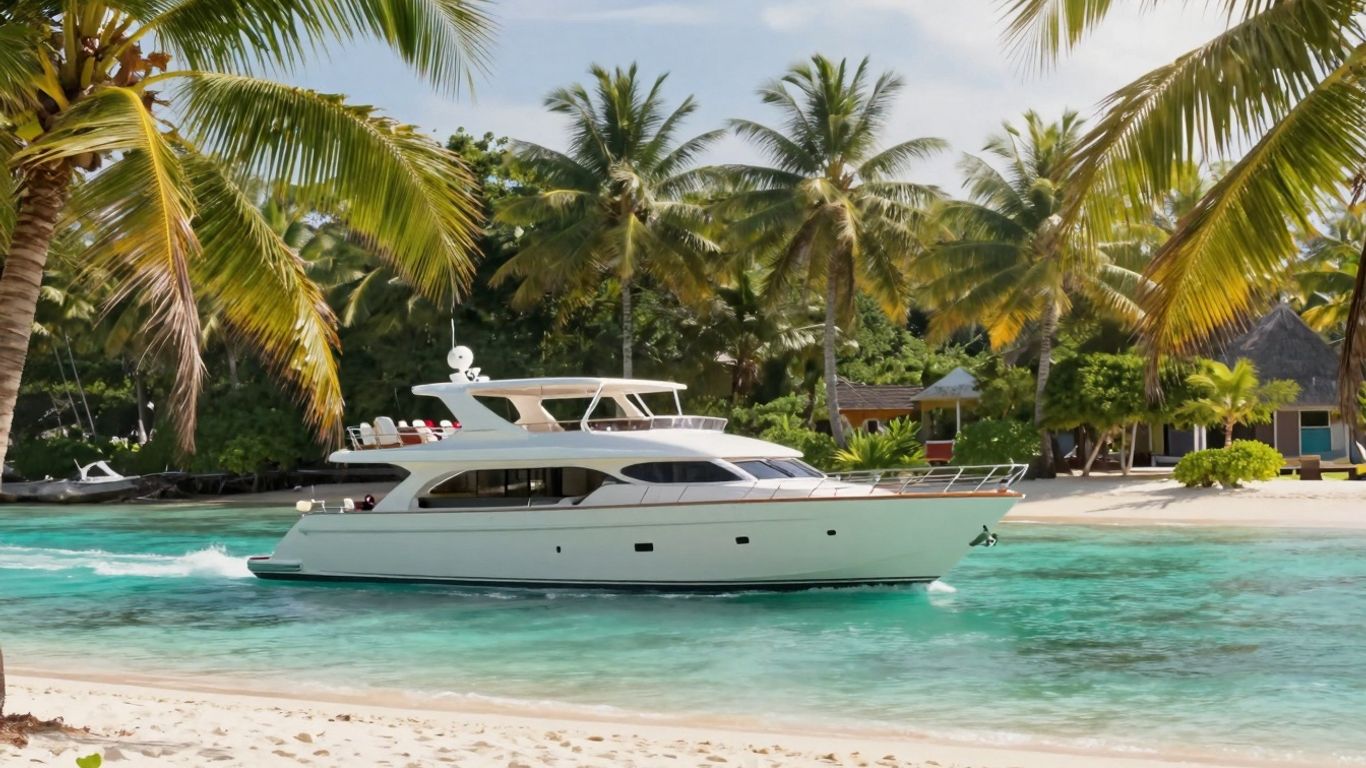
Clear Communication with Your Charter Broker
Working with a charter broker is like having a guide for your Indonesian adventure. They’re the ones who know the ins and outs of the local scene, from the best spots to drop anchor to the paperwork needed to make it all happen. It’s really important to be upfront and honest with them about what you’re looking for. Tell them your budget, your must-haves, and any concerns you might have. The more they know, the better they can match you with the right yacht and crew. Don’t be shy about asking questions, either. They’re there to help you understand everything, from the daily rate to what’s included in the charter fee. A good broker will make sure you’re not blindsided by any unexpected costs or requirements.
Understanding Charter Agreements and Payment Schedules
Once you’ve found the perfect yacht, you’ll get a charter agreement. This is basically the contract that lays out all the terms and conditions for your trip. It’s super important to read this carefully, and I mean really carefully. It will cover things like:
- What’s included: Does the price cover fuel, food, drinks, or activities?
- Payment terms: When are payments due? Usually, there’s a deposit to secure the booking, with the balance due closer to the charter date.
- Cancellation policy: What happens if you need to cancel, or if the charter company has to cancel?
- Liability: Who is responsible for what if something goes wrong?
- Crew gratuity: Is tipping expected, and if so, what’s a typical amount?
Payment schedules can vary, but a common setup is a 50% deposit to confirm your booking, with the remaining 50% due about 30-60 days before the charter begins. Some smaller or shorter charters might have different terms, so always check the specifics.
The charter agreement is your roadmap for the entire experience. Make sure you and your broker have a shared understanding of every clause before you sign on the dotted line. This prevents misunderstandings down the line and helps keep your trip stress-free.
Coordinating Travel Logistics and Visas
Getting to your yacht is just as important as the charter itself. You’ll need to figure out how you and your guests will get to the departure point. This might involve international flights, domestic transfers, or even private car services. Depending on your nationality and how long you plan to stay in Indonesia, you might also need to look into visa requirements. It’s a good idea to check the latest visa regulations well in advance of your trip, as these can change. Also, consider travel insurance to cover any unexpected issues that might pop up before or during your journey. Planning these details ahead of time means you can focus on enjoying the incredible experience of your Indonesian yacht charter.
Thinking about starting a business or investing in Labuan Bajo? We’ve got you covered. Making sure everything runs smoothly from the start is super important. We can help you with all the details, so you don’t have to worry. Ready to get started? Visit our website to learn more about how we can help you succeed.
Wrapping Up Your Indonesian Yacht Adventure
So, there you have it. Getting a yacht charter permit in Indonesia might seem like a lot, but honestly, it’s all about being prepared. Think of it like planning any big trip – a little bit of homework goes a long way. By sorting out the paperwork early and working with the right people, you can avoid a lot of headaches. Indonesia is just incredible for sailing, with so many islands to see and amazing things to experience. Don’t let the permit process scare you off; with the right approach, you’ll be out on the water, enjoying those stunning views before you know it. It’s totally worth the effort for the memories you’ll make.
Frequently Asked Questions
What kind of papers do I need to charter a yacht in Indonesia?
To charter a yacht in Indonesia, you’ll need to make sure the boat has the right papers. This includes things like a commercial operator’s permit and proof that the boat has passed safety checks. If you’re bringing your own boat, you’ll need to check the specific rules for registering it and getting any necessary permits for chartering.
How important is it to have the right permits for a yacht charter in Indonesia?
Having the correct permits is super important! It’s like having a driver’s license to drive a car. Without the right paperwork, you could face big problems, like fines or even not being allowed to sail. It also shows that you’re a responsible operator and keeps everyone on board safe and legal.
What safety rules do I need to follow for my yacht charter trip?
Safety is key! You need to make sure your crew knows what they’re doing and has the right training. Also, your boat must have all the necessary safety gear, like life jackets and first-aid kits, and everyone needs to know how to use them. Planning for emergencies is also a big part of staying safe.
Why is insurance so crucial for yacht charters in Indonesia?
Insurance is like a safety net. It protects you from unexpected costs if something goes wrong, like damage to the boat or an accident. Having good insurance means you’re covered for many different situations, which helps keep your business running smoothly and your guests protected.
When should I start planning and booking my Indonesian yacht charter?
It’s best to plan and book your charter pretty far in advance, maybe even 6 to 12 months before you want to go. This way, you’ll have a better chance of getting the yacht and crew you really want, especially if you’re traveling during busy times. It also gives you more time to sort out other travel plans.
What’s the best way to make sure my charter trip goes smoothly?
Clear communication is everything! Talk openly with your charter broker about all your wishes, like food preferences or activities you want to do. Also, carefully read and understand your charter agreement before you sign it, and make sure all your travel plans, like flights and visas, are sorted out well ahead of time.
